Feet rarely get the credit they deserve. They carry us through workdays, workouts, and weekends, and they often do it quietly, right up until pain makes every step a reminder that something is wrong. In Boca Raton, where many people keep active schedules that include long walks, tennis matches, golf rounds, and beach runs, foot and ankle problems tend to surface in specific, predictable patterns. A seasoned podiatrist knows those patterns well, and more importantly, knows how to break them so you can walk, work, and play without thinking about every step.
At the Foot, Ankle & Leg Vein Center in Boca Raton, patients come in with three core goals: understand the cause of the pain, map out options to fix it, and prevent it from coming back. That is a practical way to measure success, whether the concern is a sharp heel pain that flares in the morning, a bunion that limits shoe choices, or a stubborn toenail infection that keeps recurring. The office is conveniently located at 670 Glades Rd #320, Boca Raton, FL 33431, which makes follow-up care and ongoing prevention straightforward for local residents and seasonal visitors. You can learn more at https://www.bocaratonfootcare.com/.
What brings people to a Boca Raton podiatrist
In day-to-day practice, certain complaints dominate. Heel pain, especially plantar fasciitis, stands at the top, followed by bunions, ingrown toenails, and sports-related strains or stress fractures. Diabetic foot care requires steady attention, and neuropathy symptoms often sit in the background, complicating the picture. Many patients arrive believing they have a simple sprain or “bad shoes” problem, only to discover a complex set of factors: flat feet, calf tightness, repetitive training errors, a change in work footwear, or a slow-healing wound made worse by neuropathy.
An experienced podiatrist does not just look at the spot that hurts. Gait, muscle length, joint mobility, and footwear history all matter. People are often surprised to learn that a calf contracture can drive plantar heel pain, or that a bunion progresses faster when the first ray is unstable and the hip rotates inward during stance. The exam illuminates the cause and helps align treatment with daily reality. If the plan is too complicated to follow or conflicts with how you live, it will fail.
The difference a focused foot and ankle specialist makes
A Boca Raton foot doctor does plenty of conservative care, and that is usually where the biggest victories occur. Surgical solutions are sometimes necessary, but the first pass should cover fundamentals with precision: activity modification that preserves fitness, targeted physical therapy instead of generic stretching, and orthotics that solve the actual biomechanical problem. “Custom” only matters if it is matched to your foot type, your sport, and your shoes. A marathon runner with flexible flat feet needs a very different device than a golfer with a rigid cavus foot and peroneal tendon pain.
Dr. Jason Gold and the team at the Foot, Ankle & Leg Vein Center see the full spectrum, from quick fixes like ingrown toenail treatment to staged protocols for complex arthritis and tendon disorders. Patients looking for a “podiatrist near me Boca Raton” or “foot doctor near me Boca Raton” often want a quick appointment and an answer in plain language. You will hear honest talk about trade-offs: what cortisone can accomplish and where it falls short, when to avoid it near tendons, how long it takes plantar fasciitis to truly quiet down, the difference between an impact fracture and a stress fracture in the foot, and what realistic expectations look like for nerve pain in the feet.
Heel and arch pain: getting past the morning limp
Plantar fasciitis sits at the heart of heel pain. People describe the first step in the morning as a knife under the heel, followed by aching through the arch as the day wears on. The tissue is inflamed and irritated where it inserts into the heel bone, usually compounded by calf tightness. A podiatrist’s job is to lower the load on that insertion and give the fascia room to heal while keeping the rest of you moving.
Most cases respond to smart, staged care. Start with daily calf stretching, not just once but several short sessions each day, and add eccentric strengthening for the calf and intrinsic foot muscles as pain allows. Ice helps, but timing matters, especially after activity. Heel cups or well-chosen over-the-counter foot doctor in Boca Raton supports can bridge the gap before custom orthotics are fabricated. Night splints can reduce that morning spike of pain. If symptoms persist, a carefully placed injection can bring relief, although we avoid multiple injections in short succession due to risks to the fascia. Ultrasound guidance helps with placement and outcome. Shockwave therapy is an option for chronic cases that resist standard measures. When a bony spur is visible on imaging, remember that the spur is often a bystander, not the driver. The fascia’s health matters more.
Residents often search “heel pain treatment Boca Raton” or “plantar fasciitis Boca Raton” after a frustrating few weeks of self-care. A focused exam and imaging can speed decisions and shorten the timeline to relief.
Bunions and forefoot pain: beyond wide shoes
A bunion is a misalignment problem. The big toe shifts toward the second toe, while the first metatarsal drifts inward, increasing the bump that rubs in shoes. Genetics play a role, but mechanics usually decide how fast it progresses. The goal of bunions treatment in Boca Raton is not just to shrink pain in the short term but to slow the deformity and delay or prevent surgery when possible.
Non-surgical measures include shoe changes with a toe box that gives the forefoot room to spread, spacers that improve alignment for comfort, targeted padding, and custom orthotics when a flexible flatfoot or first ray instability contributes to the problem. If conservative care cannot keep you active or the toe crosses over, surgical discussion makes sense. Techniques range from distal procedures for mild deformities to proximal osteotomies or fusion for more severe cases. Recovery time and footwear goals should be clear before choosing a path. People who walk or stand for work might accept a slower return for a more durable correction, while others may prefer a minimal approach that preserves motion and shortens downtime. A good surgical plan is individualized.
Ingrown toenails: simple, but best done once
Ingrown toenails look minor until they are not. When the nail edge grows into the skin, an infection can set in fast, especially in sweaty shoes or after a beach day. Warm soaks and careful trimming at home might settle a mild case, but repeat infections benefit from a minor office procedure. A partial nail avulsion with a matrixectomy treats the root where the nail grows, and it is usually done under local anesthesia. The goal is to prevent that edge from coming back. Aftercare is straightforward, and you can usually get back to normal shoes within a few days. For “ingrown toenail treatment Boca Raton,” getting it done right the first time saves you repeated weeks of misery.
Sports foot injuries: age, surfaces, and repetition
From Boca’s tennis courts to the sand and turf fields, athletes collect predictable injuries. Runners bring stress fractures of the metatarsals, cuboid stress reactions, and plantar fasciitis. Pickleball and tennis players see Achilles tendonitis and peroneal tendon strains. Golfers often wrestle with lateral foot pain due to swing mechanics and footwear.
The fastest route back is not always the most aggressive. For stress fractures in the foot, you must unload the bone so it can remodel. A walking boot is common for two to six weeks, depending on location and severity, with cross-training to maintain fitness. Return-to-run plans should ramp carefully, adding only small increments of volume and avoiding back-to-back hard days at first. Tendon problems respond to a mix of offloading, eccentric strengthening, and attention to calf flexibility and hip mechanics. Orthotics can redistribute load; they are especially helpful for athletes with flexible flat feet or a high rigid arch.
Athletes who search “sports foot injuries Boca Raton” or “orthotics Boca Raton” are often looking for a path that minimizes lost training time. The honest answer is that you can usually keep your cardio while healing, but you must respect tissue biology. Aim for the minimum effective dose of rest to solve the issue, not the maximum effort that burns you out.
Diabetic foot care: prevention earns its reputation
Diabetic foot problems require vigilance because the cost of small missteps is high. Neuropathy dulls pain, so injuries go unnoticed. Combine that with reduced circulation, and a blister can turn into a foot ulcer faster than you think. At the Foot, Ankle & Leg Vein Center, diabetic foot care in Boca Raton pairs routine skin and nail maintenance with risk-based footwear changes, periodic pressure mapping, and education about daily checks. If you do nothing else, inspect your feet every night. Use a mirror for the soles. Look for redness, moisture changes, calluses that seem thicker, and nail edges pressing into skin.
Once a wound appears, the priorities narrow: offload the pressure, control moisture, treat any infection promptly, and support the tissue with appropriate dressings or advanced wound therapies when indicated. If circulation is compromised, a vascular evaluation sits near the top of the to-do list. A wound care podiatrist coordinates with your primary care and endocrinologist to keep the bigger picture aligned. For “foot ulcer treatment Boca Raton,” speed matters, but so does method. Chasing a wound with random dressings rarely works. A plan built around offloading, debridement, and infection control does.
Nail fungus, corns, and calluses: common, fixable, sometimes stubborn
Nail fungus is not only cosmetic. Thick, distorted nails can cause pressure and pain in shoes, especially for runners and those with wide forefeet. A toenail fungus doctor in Boca Raton will match the treatment to your health history and goals. Topicals are getting better and can help in mild to moderate cases, but they demand discipline and take months, since the nail grows slowly. Oral antifungals are more potent and faster, though we screen for liver health and medication interactions. Laser therapies exist and can be a reasonable adjunct for select patients. The important part is keeping reinfection at bay: disinfect shoes, control moisture, and do not share clippers.
Corns and calluses are simply the skin’s way of protecting itself from pressure. The trick is to reduce that pressure. Sharp debridement in the office gives quick relief. Orthotics or targeted pads can redistribute force so the skin does not have to thicken as much. If a hammertoe causes a recurring corn, correcting the toe solves the source. Otherwise you will be chasing the same patch of hard skin every few weeks.
Achilles tendonitis and calf issues: respect the engine
The calf-Achilles complex powers push-off. When it is tight or overloaded, problems radiate across the foot and ankle. Achilles tendonitis usually starts with stiffness during the first steps after rest. Ignoring it leads to nodules, crepitus, and a longer recovery arc. Care focuses on load management and, crucially, eccentric strengthening, a technique shown to help tendon remodeling. Heel lifts sometimes calm symptoms during the initial phase. We avoid steroid injections around the Achilles due to the risk of weakening the tendon. Shockwave therapy can be an option for chronic cases. Custom orthotics that reduce excessive pronation can help when mechanics drive the overload.
Arthritis and nerve pain in the feet: clear goals, clear limits
Arthritis in the foot sneaks up on people. They blame shoes, then a specific activity, and only later realize the joint itself is the problem. The big toe joint and the midfoot are common sites. On exam, reduced motion and dorsal spurs point to the culprit. Treatment ranges from stiff-soled shoes and carbon fiber plates to limit painful motion, to injections for flare-ups, and eventually surgery when function is too limited. When patients ask about “arthritis foot pain Boca Raton,” a good consult lays out a realistic ladder of care, including what surgery can and cannot do for range of motion.
Nerve pain presents as burning, tingling, or numbness, sometimes in a stocking distribution. Neuropathy treatment aims to protect skin, improve circulation where possible, and manage symptoms. Medications, topical compounds, and targeted physical therapy for balance all have roles. Morton's neuroma is a separate, localized nerve issue in the forefoot. It responds well to footwear with a wider toe box, metatarsal pads, and occasionally an injection. Surgery is a last resort when conservative measures fail.
Orthotics that actually help
Not every foot needs custom orthotics. Many patients do well with off-the-shelf supports that match their foot shape and shoe type, especially for short-term injuries. Custom orthotics are justified when you have persistent symptoms tied to biomechanics, such as recurrent plantar fasciitis, posterior tibial tendon dysfunction, or long-standing knee and hip issues that stem from foot posture. They should be designed with activity in mind: a thin, responsive device that fits a running shoe is different from a robust device for standing all day on concrete.
Here is a short checklist to decide if “custom orthotics Boca Raton” is worth pursuing:
- Your pain returns as soon as you stop using a temporary insert or padding. You have flexible flat feet with medial ankle pain or recurrent shin splints. You have a high rigid arch with frequent lateral ankle sprains or peroneal tendon pain. You are a runner logging more than 25 to 30 miles per week with repetitive injuries. You have diabetic foot problems and need targeted offloading to prevent ulcers.
When surgery is the right tool
Surgery is not a failure of conservative care; it is a tool. For some deformities and advanced arthritis, it is the most predictable way to restore function. Foot surgery in Boca Raton commonly addresses bunions, hammertoes, neuromas, and arthritic joints that have lost their glide. Ankle surgery addresses instability after repeated sprains, cartilage injuries, and fractures that healed poorly. The preoperative conversation should cover timelines in real numbers: how many days on crutches, how many weeks in a boot, when you can drive, and when you can return to your particular sport or job. For desk work, you might return in a week or two. For a job that requires standing, plan several weeks at minimum. Smokers, diabetics, and patients with vascular disease face longer healing and higher complication risks; that is part of the planning.
What often reassures patients is the stepwise approach: you try the right conservative measures first, measure progress, and move to surgery only when the balance tips in favor of a more durable solution. That mindset prevents regrets.
Swelling, numbness, and other warning lights
Swollen feet after a long day in the heat can be normal, but persistent swelling, especially in one foot, deserves attention. It could be a tendon tear, arthritis flare, venous insufficiency, or less commonly a blood clot. Foot numbness that progresses or impacts balance is not something to wait on. These symptoms often send people searching “foot numbness Boca Raton” or “swollen feet Boca Raton,” and they are right to ask. Early evaluation heads off bigger problems.
Stress fractures in the foot deserve special mention because people often misread them. They present as a nagging ache that worsens with activity and lingers afterward. The top of the foot might be tender over a metatarsal, or pain may sit deep near the navicular. Initial X-rays can be normal, which frustrates patients. If clinical suspicion is high, we treat based on exam and may use advanced imaging. The cost of missing a stress fracture is high: a complete fracture, prolonged healing, or a chronic problem that derails a season.
What a first visit looks like
A well-run podiatry visit in Boca Raton is practical. Expect a discussion about your activities, past injuries, footwear, and what you need your feet to do. A focused exam checks alignment, range of motion, strength, calf flexibility, and gait. Imaging is used when it changes decisions. From there, you get a plan with steps and timelines. People appreciate knowing what to expect in a week, in a month, and at three months. They also appreciate knowing when to call earlier if something changes.
The Foot, Ankle & Leg Vein Center at 670 Glades Rd #320, Boca Raton, FL 33431 works with all the common problems noted above: foot pain treatment, heel pain treatment, bunions treatment, ingrown toenail treatment, flat feet treatment, ankle pain treatment, custom orthotics, diabetic foot care, neuropathy treatment, foot ulcer treatment, nail fungus treatment, hammertoe treatment, Achilles tendonitis, foot and ankle surgery when needed, and the more stubborn issues like chronic plantar heel pain or nerve pain in the feet. If you are looking for a “boca raton podiatrist,” “best podiatrist Boca Raton,” or simply a trusted podiatrist with experience and clear communication, you want a team that respects your time and your goals.
Everyday habits that protect your feet
You can do plenty at home to keep feet healthy. Start with shoes that match your activity and foot shape. Rotating pairs can reduce repetitive stress. Keep toenails trimmed straight across, not curved, to avoid ingrown nails. Stretch your calves daily if you spend time in sandals or low-drop shoes. If your job keeps you on hard floors, add a supportive insole even to otherwise comfortable shoes. After long days or workouts, use a lacrosse ball under the arch and calf stretches to reset the system. For runners and walkers, increase mileage or intensity by roughly 10 percent per week or less, and insert cutback weeks to let tissues adapt.
A short comparison helps frame expectations about care options:
- Conservative care often solves the problem with less downtime, but it can take patience and faithful follow-through. Injections provide quick relief for specific conditions, yet they are not a long-term fix and require careful selection of site and frequency. Orthotics redistribute load and prevent recurrence, though they work best when combined with strength and flexibility work. Surgery can correct deformity and restore function more predictably when conservative care plateaus, but it demands a recovery window that you must plan for.
Finding the right partner in care
Searching “podiatrists Boca Raton,” “podiatrist Boca Raton,” or “foot and ankle specialist Boca Raton” returns a long list of options. Experience counts, but so does fit. You want a board certified podiatrist who explains the why behind the plan, offers alternatives, and aligns treatment with your timelines. You also want an office that can handle the range: urgent problems like an acute ingrown nail or suspected fracture, longer arcs like plantar fasciitis rehab, and specialized needs like diabetic wound care. Patients who value clarity tend to stick with providers who give it, and feet do better with continuity.
The Foot, Ankle & Leg Vein Center’s Boca Raton location pairs clinical depth with practical access. Whether you are dealing with plantar heel pain, a heel spur, ankle pain after a misstep on uneven pavers, or a stubborn toenail fungus that will not budge, the approach remains the same: identify the true driver, treat decisively, and protect your ability to move. That is what most people mean when they say they want the “top podiatrist Boca Raton” or a “trusted podiatrist Boca Raton.” The proof shows up when you forget your feet again because they are doing their job without complaint.
A final note on momentum
Pain changes how you move. If you limp, other joints notice. Knees, hips, and backs pick up the slack, and a small foot problem becomes a bigger kinetic chain problem. The earlier you get a precise diagnosis and a workable plan, the easier it is to avoid that cascade. If you are already in the middle of it, steady, targeted care can unwind the compensation. Mobility returns in stages. First, the sharp pains fade. Then your stride evens out. Finally, strength and confidence return.
If you are standing at the crossroads and typing “local podiatrist Boca Raton,” “foot pain Boca Raton,” or “ankle pain Boca Raton,” pick a clinic that treats you like an athlete in your own life, whether or not you play a sport. Your feet are the foundation for everything else you do. Give them the same attention you give your eyes and your teeth, and they will pay you back in miles of comfortable steps.
Foot, Ankle & Leg Vein Center | Dr. Jason Gold, DPM, FACFAS
Reconstructive Foot & Ankle Surgeon
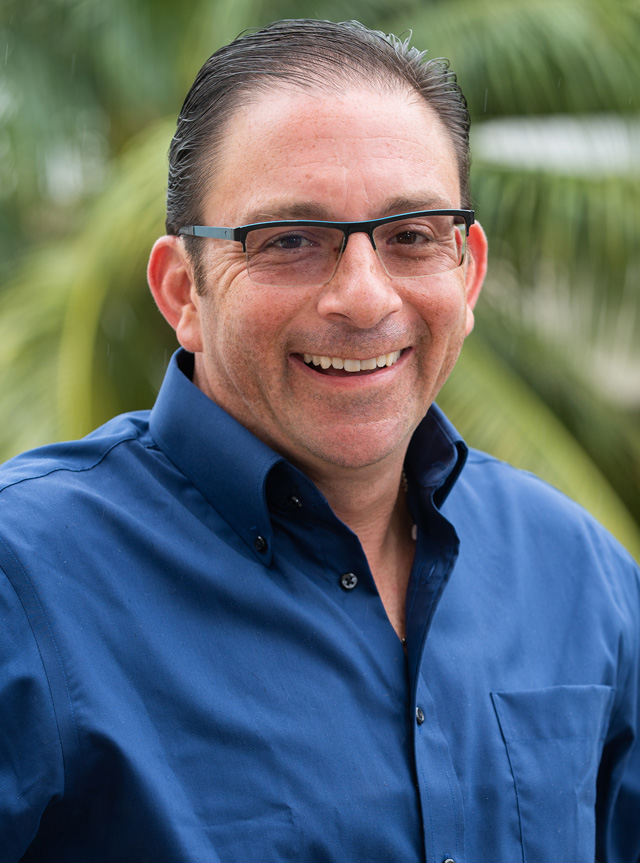
Dr. Jason Gold, DPM, FACFAS, is a podiatrist at the Foot, Ankle & Leg Vein Center. He’s one of only 10 board-certified Reconstructive Foot & Ankle Surgeons in Palm Beach County. Dr. Gold has been featured in highly authoritative publications like HuffPost, PureWow, and Yahoo!
Foot, Ankle & Leg Vein Center provides advanced podiatric care for patients seeking a trusted podiatrist in Boca Raton, Florida. The practice treats foot pain, ankle injuries, heel pain, nerve conditions, diabetic foot issues, and vein-related lower extremity concerns using clinically guided treatment plans. Care emphasizes accurate diagnosis, conservative therapies, and procedure-based solutions when appropriate. Led by Dr. Jason Gold, the clinic focuses on restoring mobility, reducing pain, and improving long-term foot and leg health. Patients in Boca Raton receive structured evaluations, continuity of care, and treatment aligned with functional outcomes and daily activity needs.
Foot, Ankle & Leg Vein Center
670 Glades Rd #320, Boca Raton, FL 33431
(561)750-3033
https://www.bocaratonfootcare.com/